






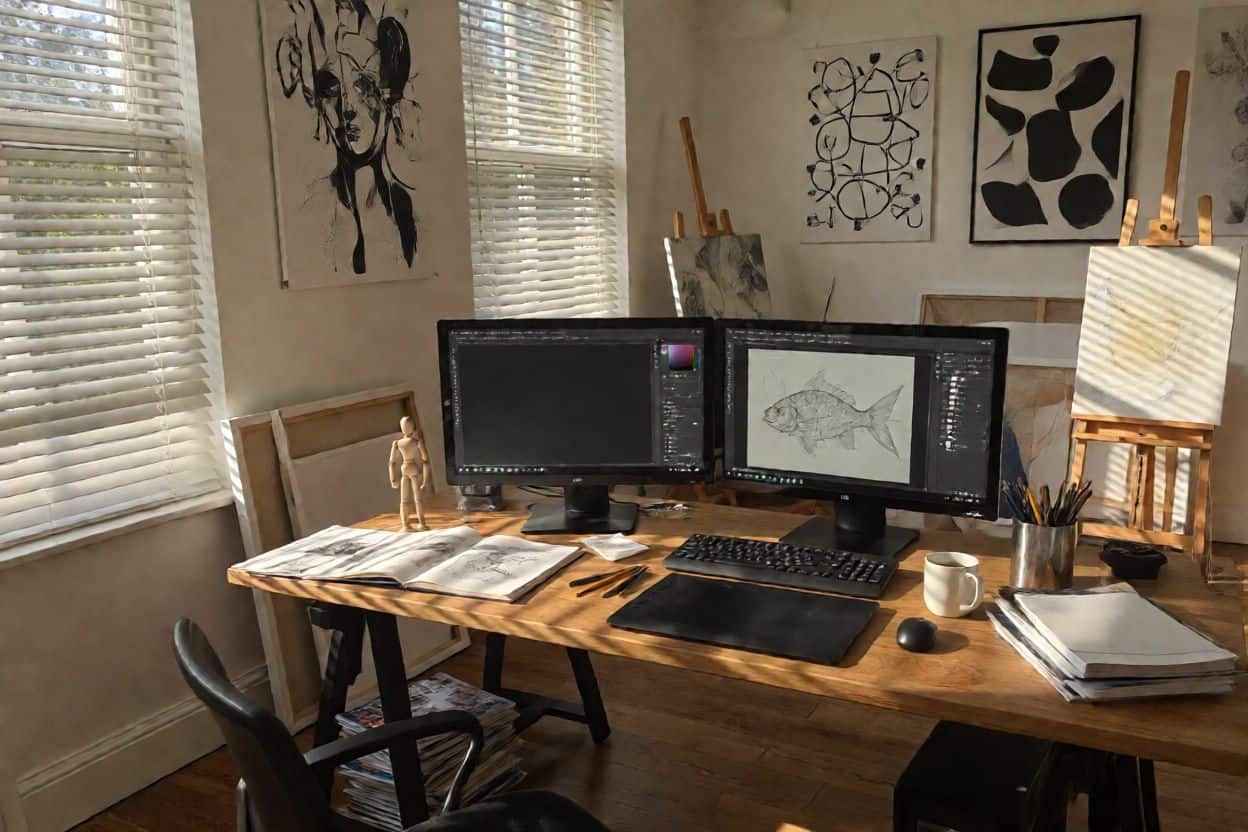
For as long as I can remember, art has been about one thing for me: bringing ideas to life. Whether working in a classical style, exploring abstract forms, diving into surrealism, or experimenting with entirely different visual languages, I have always been fascinated by the possibilities of artistic expression. Every style offers a different way to tell a story, capture an emotion, or explore an idea that might otherwise remain hidden in my imagination.
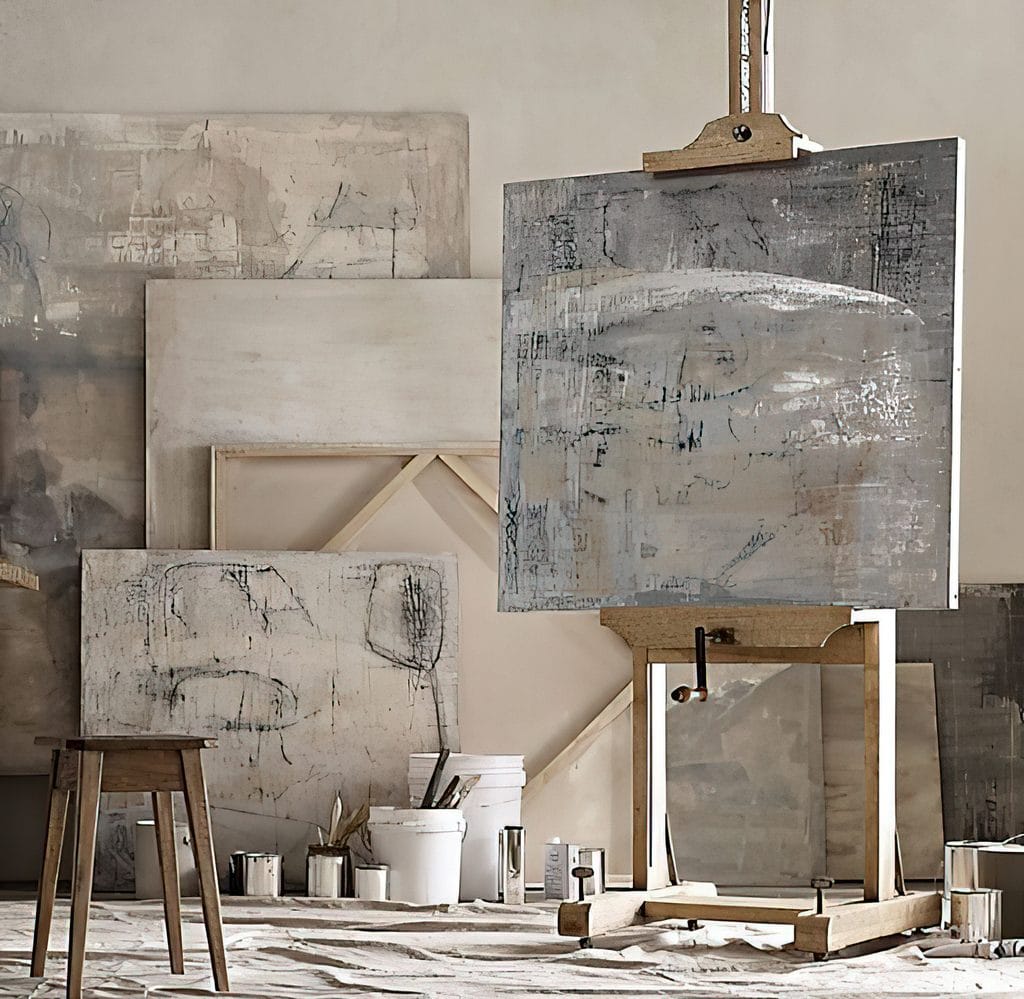
For many years, my artistic world revolved around traditional techniques. There is something special about working with physical materials, feeling the connection between your hand and the surface, and watching an image gradually emerge through paint, pencil, or other mediums. Traditional art teaches patience, discipline, and an appreciation for the unexpected. Sometimes, the smallest accident becomes the most interesting part of a piece. But as technology evolved, so did my curiosity.
Discovering a New Creative World
My transition from traditional to digital art wasn’t about abandoning the techniques I had learned. It was about discovering a new set of tools that could take my creativity in directions I had never imagined.
Digital art opened doors that traditional mediums simply couldn’t offer in the same way. Suddenly, I could experiment with colors, textures, lighting, composition, and atmosphere without having to start over every time an idea changed. I could explore several variations of a concept, compare different approaches, and refine an image until it came closer to the vision in my mind.
Mistakes became opportunities rather than setbacks. Layers allowed me to build complex images while keeping individual elements separate. I could revisit an earlier version, try something completely different, or combine visual elements that would have been difficult, time-consuming, or expensive to achieve using traditional methods.
Most importantly, digital tools gave me the freedom to experiment without constantly worrying about wasting materials or losing hours of work. I discovered that the creative process itself could become more adventurous.
The Freedom to Explore Every Style
One of the things I love most about being an artist is that I have never felt the need to stay within a single artistic category. Some days, I am drawn to the elegance and structure of classical art. Other days, I want to explore abstract shapes, unconventional color combinations, or surreal worlds where reality follows its own rules. Sometimes I want to create something cinematic, atmospheric, or reminiscent of a scene from a film that has never been made.
Digital art makes moving between these worlds much easier.
I can experiment with different artistic directions, combine contrasting influences, and explore visual concepts that might otherwise remain sketches in a notebook. A classical composition can become a surreal dream scape. An abstract idea can evolve into a detailed visual environment. A simple concept can grow into an elaborate scene filled with carefully considered lighting, mood, and atmosphere.
The possibilities are enormous, and I don’t have to choose one artistic identity at the expense of another.
For me, digital art isn’t a limitation. It is an expansion of my artistic vocabulary.
AI: A New Partner in the Creative Process
The arrival of artificial intelligence introduced another fascinating dimension to my work.
I see AI as a creative tool that helps bridge the gap between an idea and its visual realization. Artists often have vivid images in their minds that are difficult to translate directly onto a canvas or screen. We know the atmosphere we want, the emotion we want to convey, or the unusual combination of elements that makes an idea interesting. Yet expressing every detail exactly as we imagine it can be a challenge.
AI gives me another way to explore those possibilities. I can take an initial concept and use AI tools to visualize different interpretations of it. I can investigate alternative compositions, experiment with lighting conditions, explore color palettes, or see how a particular subject might look in a completely different artistic style.
An idea that begins as a few sentences can become a visual reference that helps me understand what works and what needs further development. Sometimes the result is close to what I imagined. Sometimes it takes an unexpected turn. And occasionally, that unexpected turn leads me toward an entirely new idea.That is where I find AI particularly exciting. It doesn’t simply help me produce images. It can help me discover possibilities I hadn’t considered.
My Vision Still Comes First
There is an important distinction I make between using AI as a tool and allowing a tool to determine the direction of my art.
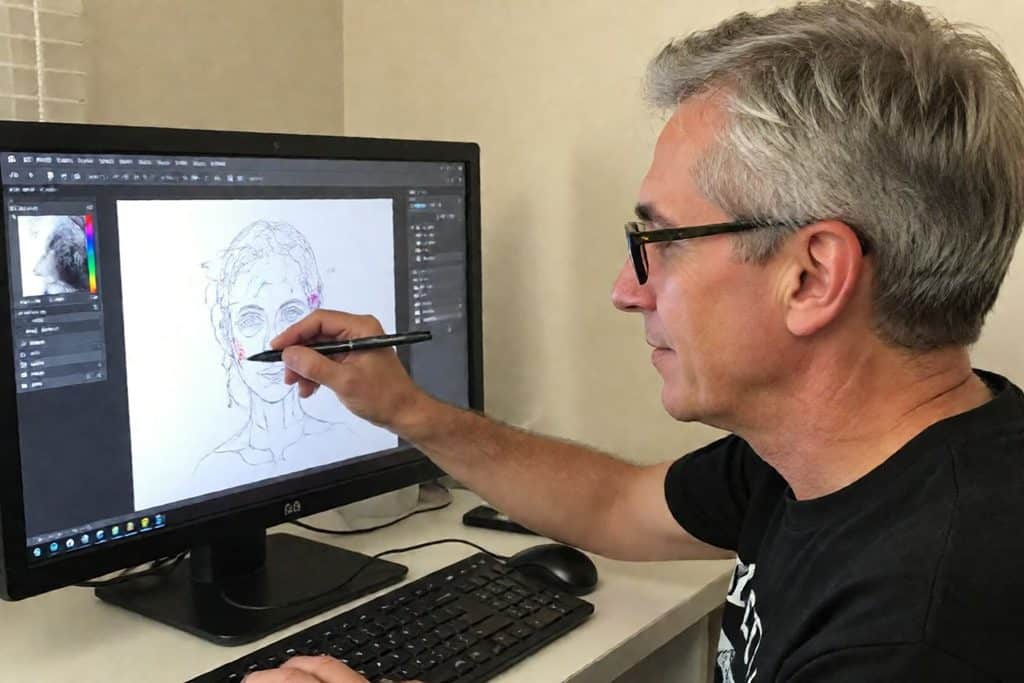
The technology may help me visualize a concept, but the concept itself comes from my imagination. My interests, experiences, artistic preferences, and years of exploring different styles influence what I want to create and how I evaluate the results. I decide which ideas are worth pursuing, which visual elements belong together, and which results genuinely communicate what I want to express. I can refine the imagery, combine it with other digital techniques, edit details, adjust the composition, and continue experimenting until the work reflects my intentions.
AI doesn’t eliminate the need for artistic judgment. In many ways, it makes that judgment even more important because it gives me so many possibilities to choose from. The creative challenge is no longer simply how to produce an image. It is deciding which image deserves to exist. And that remains a deeply human part of the process.
More Time for Ideas, Less Time Fighting Limitations
Another major benefit of working digitally is efficiency.
Traditional art can require considerable time and resources to test a new direction. Digital tools make it easier to explore alternatives before committing to a final piece. AI-assisted visualization can accelerate that exploration even further, allowing me to evaluate ideas that might otherwise take much longer to develop.
This doesn’t mean that digital art is effortless. Creating something meaningful still requires thought, experimentation, refinement, and a willingness to discard approaches that don’t work. Technology can generate possibilities, but turning those possibilities into a coherent artistic vision remains a creative responsibility.
For me, the real advantage is having more freedom to explore.
I can spend less time being restricted by the practical limitations of a particular medium and more time thinking about the image itself: its mood, its meaning, its visual impact, and the feeling I want it to leave with the viewer. That freedom is especially valuable when working across multiple styles, where each new concept may demand a different approach.
Embracing the Future Without Forgetting the Past
I don’t see my transition to digital art as a break with my traditional artistic roots. I see it as the next chapter in the same journey.
The principles that make an artwork compelling haven’t disappeared. Composition, balance, contrast, color, atmosphere, storytelling, and emotional connection remain essential, regardless of whether the work is created with a brush, a stylus, a mouse, or the assistance of AI. My traditional background continues to inform the way I look at images and evaluate their visual qualities. Digital technology simply gives me additional ways to apply that knowledge.
And I believe that is what makes this moment in art so exciting. We are living through a period in which creative tools are expanding rapidly, giving artists new opportunities to experiment, communicate, and develop their ideas.
I understand that some artists prefer traditional methods, and I respect that choice. Every artist must find the tools and processes that best serve their vision. For me, embracing digital art and AI has opened a world of possibilities that I find difficult to ignore.
The Journey Continues
Today, I think of myself first and foremost as an artist, rather than defining myself by the tools I use.
I work across styles because I enjoy exploring different ways of seeing the world. I embrace digital techniques because they give me flexibility. And I use AI because it helps me transform abstract thoughts, unusual concepts, and ambitious visual ideas into something I can examine, develop, and refine.
The technology will continue to change. New tools will appear, existing ones will improve, and creative possibilities will keep expanding. I intend to remain curious and explore what these developments can offer. After all, art has always evolved alongside the tools available to the people who create it.
My journey from traditional to digital art has taught me that embracing a new medium doesn’t mean losing what came before. It means carrying that experience forward and using it to explore new territory.
The canvas has changed, the tools have multiplied, and the possibilities have grown. But the reason I create remains exactly the same: I have ideas in my mind that I want to bring into the world.
And now, I have more ways than ever to do just that.
Maarten, Oct. 2026
